The Kipahulu Ohana
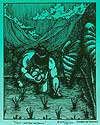
In 1995, a small group of Native Hawaiian residents came together to revive, restore, and share the practices of traditional Native Hawaiian culture with others in Kipahulu. We, the Kipahulu 'Ohana, are a nonprofit organization dedicated to educating residents and visitors of the "ways of old" through cultural demonstrations and hands-on activities. Using the wisdom and spiritual guidance of our kupuna (elders, learned teachers), we seek to re-establish a Hawaiian lifestyle in Kipahulu. By initiating sustainable projects, dividing the labor, and sharing the results we will preserve our culture.
Maui Nui Papa Kuhikuhi
This directory of links to culturally oriented websites is designed to provide visitors with a guide for learning about the special culture of Maui Nui (the islands of Maui, Moloka`i, Lana`i and Kaho`olawe), to encourage respectful and sensitive tourism activity.
East Maui Taro Festival
The 13th Annual East Maui Taro Festival will be held on April 1 - 3, 2005 in Hana, Maui. The Taro Festival website contains information about past festivals, and links to other websites with information about taro, poi, and Hawaiian culture.
Canoe Plants of Ancient Hawaii
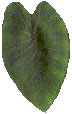
The life of Kanaka Maoli, the indigenous Hawai`i people, is linked closely with kalo, also knows as the taro plant. Kalo is believed to have the greatest life force of all foods. According to the Kumulipo, the creation chant, kalo grew from the first-born son of Wakea (sky father) and Papa (earth mother), through Wakea's relationship with his and Papa's daughter, Ho`ohokulani. Haloa-naka, as the son was named, was stillborn and buried. Out of his body grew the kalo plant, also called Haloa, which means everlasting breath. Kalo and poi (pounded kalo) are a means of survival for the Hawai`i people. The Canoe Plants of Ancient Hawaii website contains information about the cultural significance of taro, and information about the cultivation of the plant.